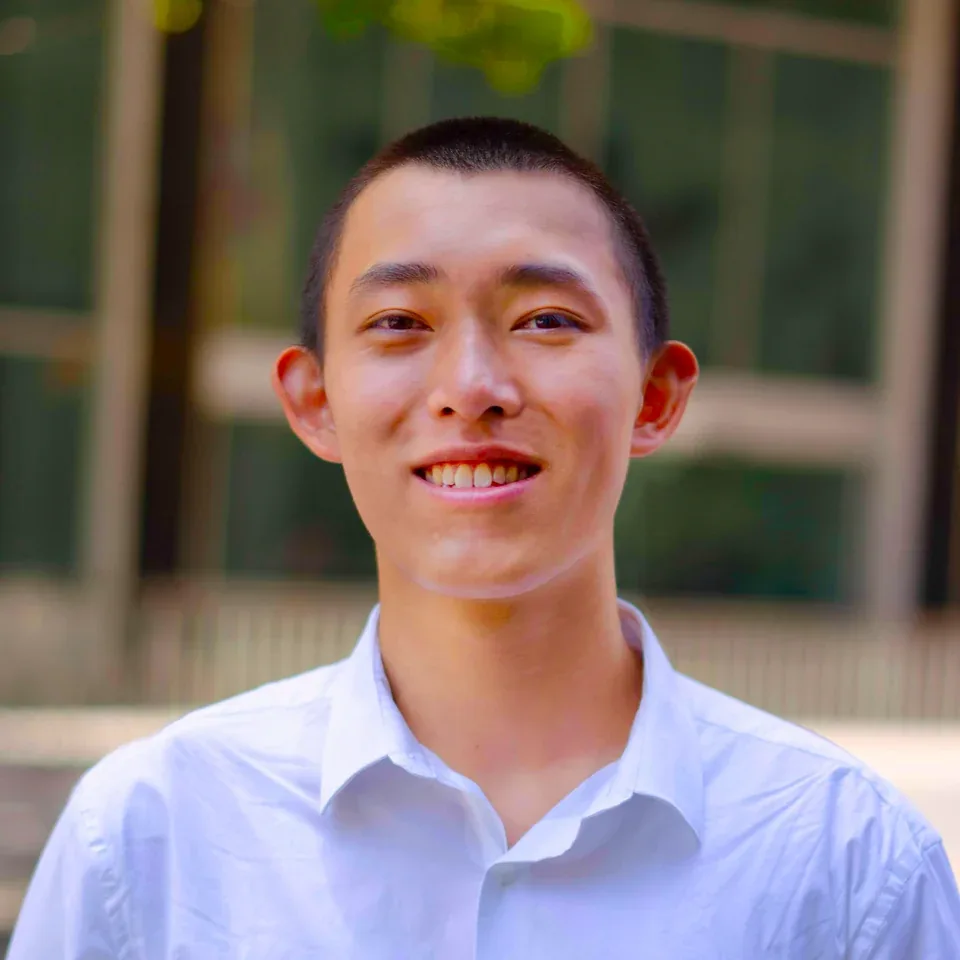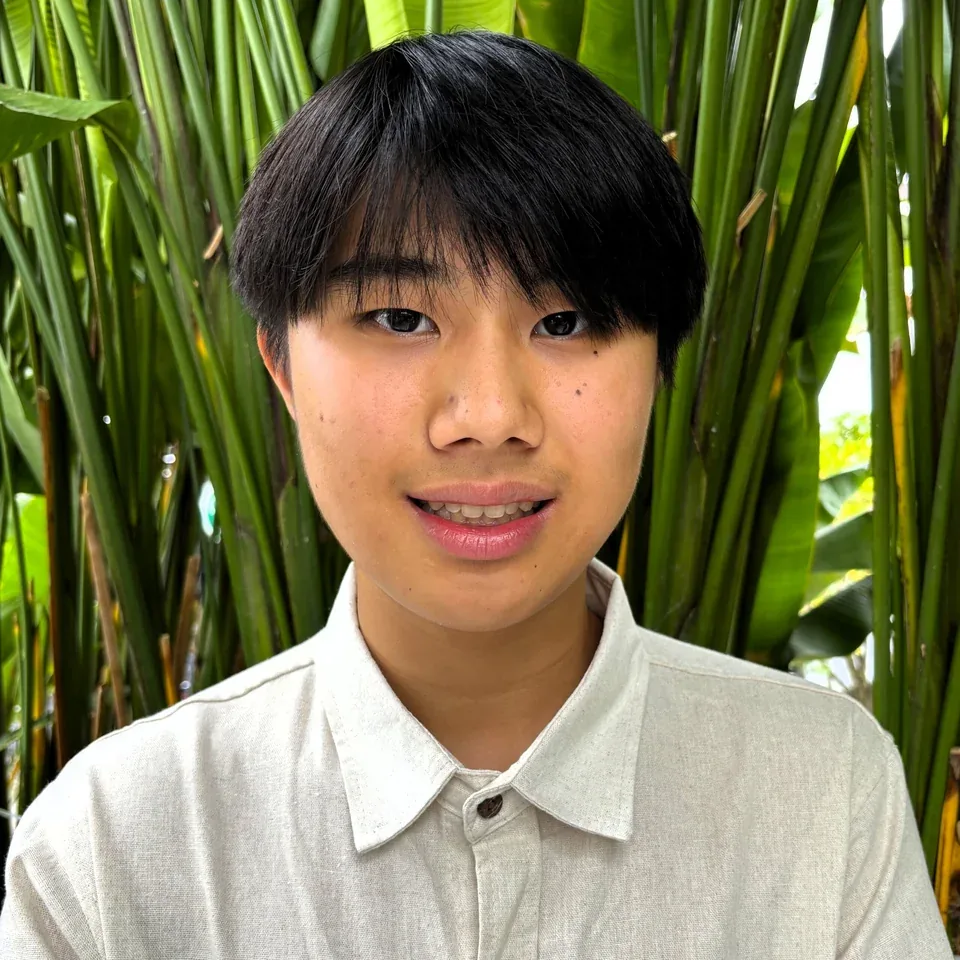
HSC 物理 92 分
Oxford Falls Grammar
Bob 嘅教學方式同功課安排都好適合我。
Jedh 花咗好多時間溫習,但曾經覺得自己可能永遠都學唔識物理。課堂令佢理解概念背後嘅邏輯,唔使死記筆記。每星期練習加上小班支援令佢重拾信心,最後 HSC 物理考咗 92 分。
完整故事向下捲動即可關閉
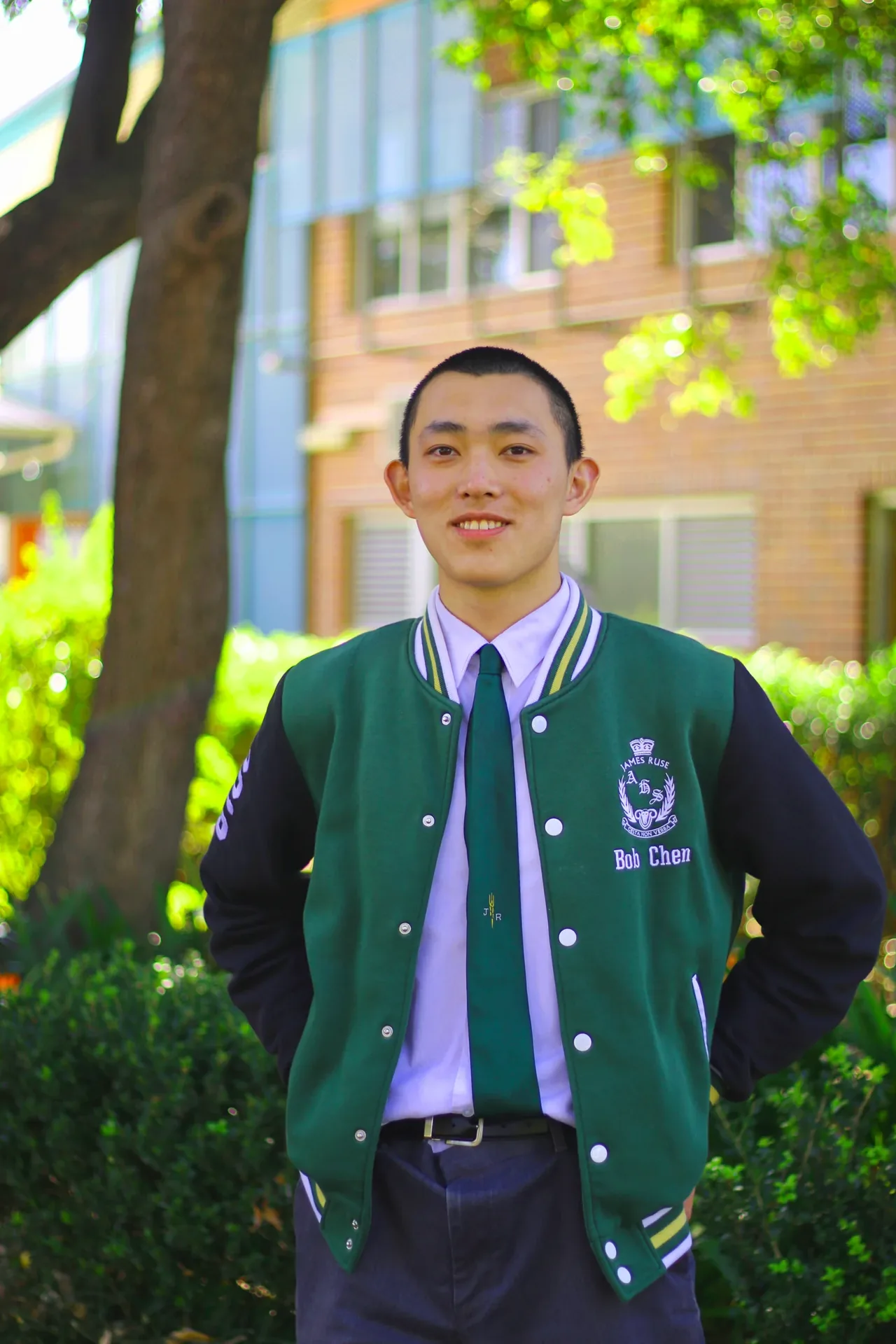
Physics state rank99.85 ATARUSYD Med
Oxford Falls Grammar
Bob 嘅教學方式同功課安排都好適合我。
Jedh 花咗好多時間溫習,但曾經覺得自己可能永遠都學唔識物理。課堂令佢理解概念背後嘅邏輯,唔使死記筆記。每星期練習加上小班支援令佢重拾信心,最後 HSC 物理考咗 92 分。
完整故事向下捲動即可關閉
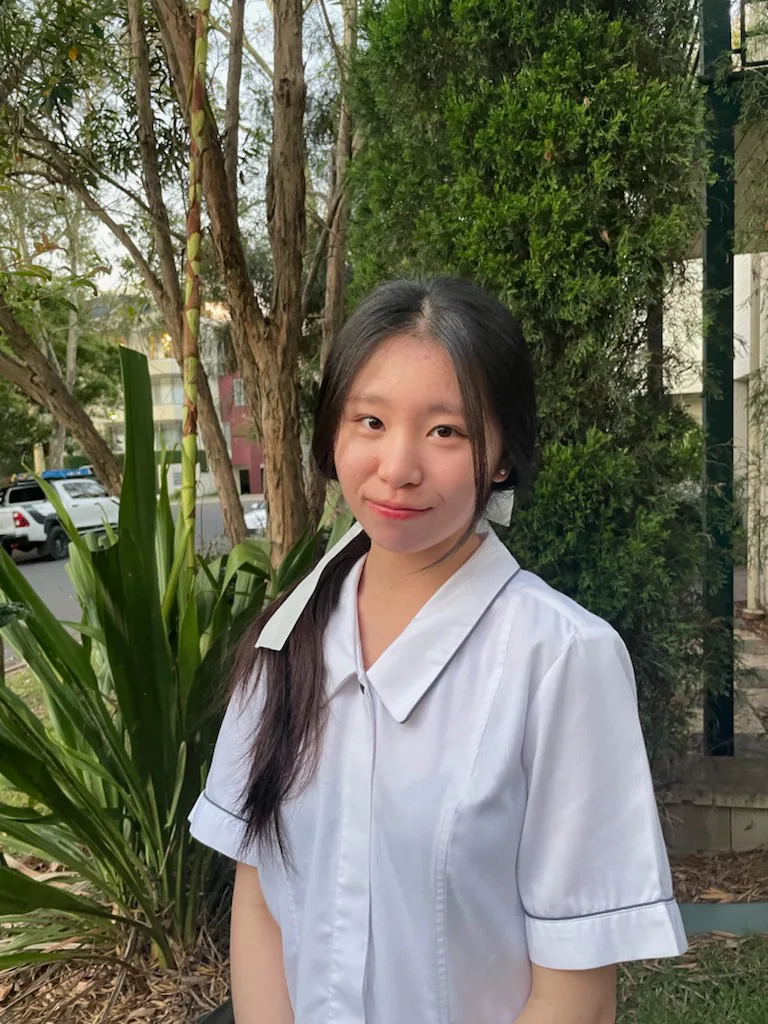
Meriden
我笑住行出考場。
Kirsten 成績一路下跌,亦開始怕物理。更個人化嘅課堂令佢可以放心提問,按自己步伐學習。較有挑戰嘅練習同課外支援令佢準備得更好。化學模擬考由 56% 升到 HSC 91%,物理亦考咗 92 分。
完整故事向下捲動即可關閉
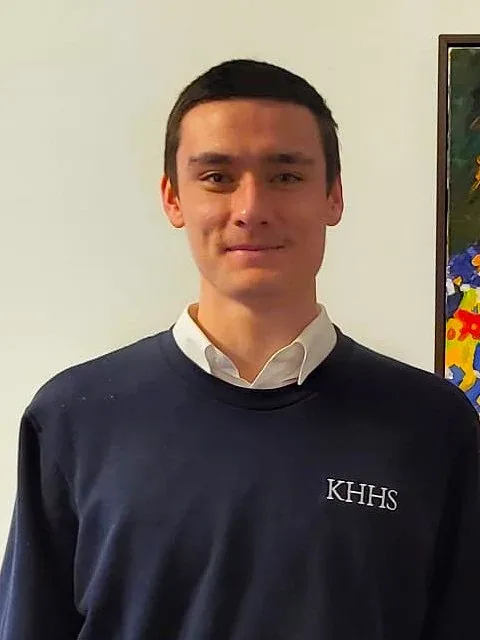
Killarney Heights High School
你哋嘅方法令我更有信心,亦做到咁好嘅成績。
Hunter 高中大部分時間都排喺年級後段,通常攞 C 同 D。靠住學習資源、導師同定期練習,佢開始攞到以前唔敢想嘅成績。預科課程完結時,佢喺物理同數學延伸 1 都排第一。
完整故事向下捲動即可關閉
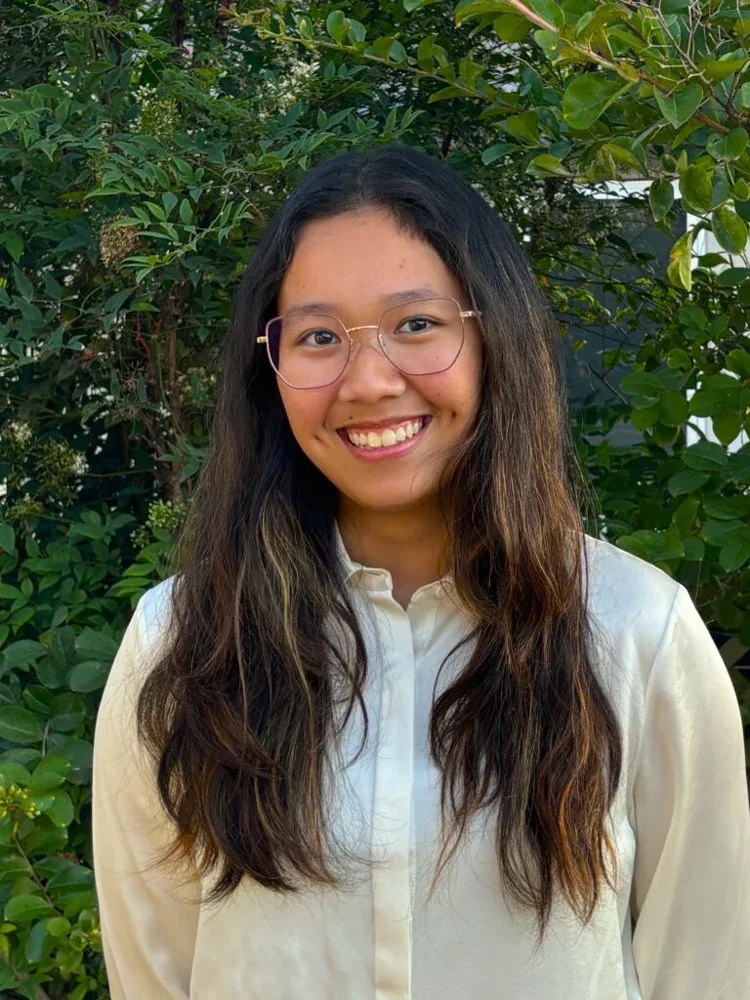
Hurlstone Agricultural High School
佢營造咗一個好玩、舒服又支持學生嘅氣氛。
Queenie 好重視有人願意換個方法解釋、落堂後答問題,同埋幫佢準備校內評估。呢啲支援令佢用更靈活嘅方式思考物理,唔使只靠課本解釋。佢喺 Hurlstone Agricultural 畢業時,物理考咗 95 分,ATAR 係 99.75。
完整故事向下捲動即可關閉
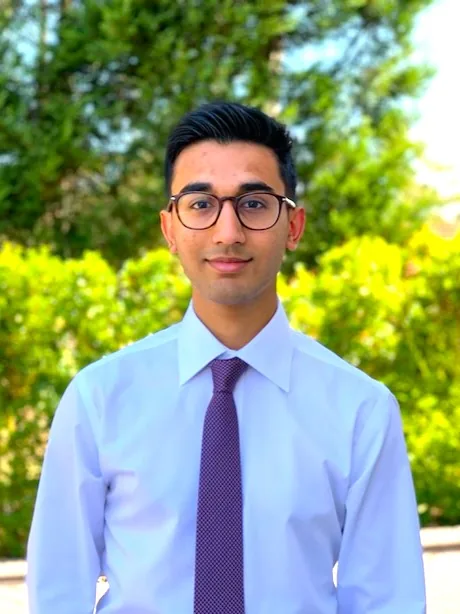
Sydney Grammar
Mustafa graduated as Dux of Sydney Grammar in 2023 with a 99.95 ATAR. He achieved 94 in Physics and 95 in Chemistry, and later tutored at Tutorgum.
完整故事向下捲動即可關閉
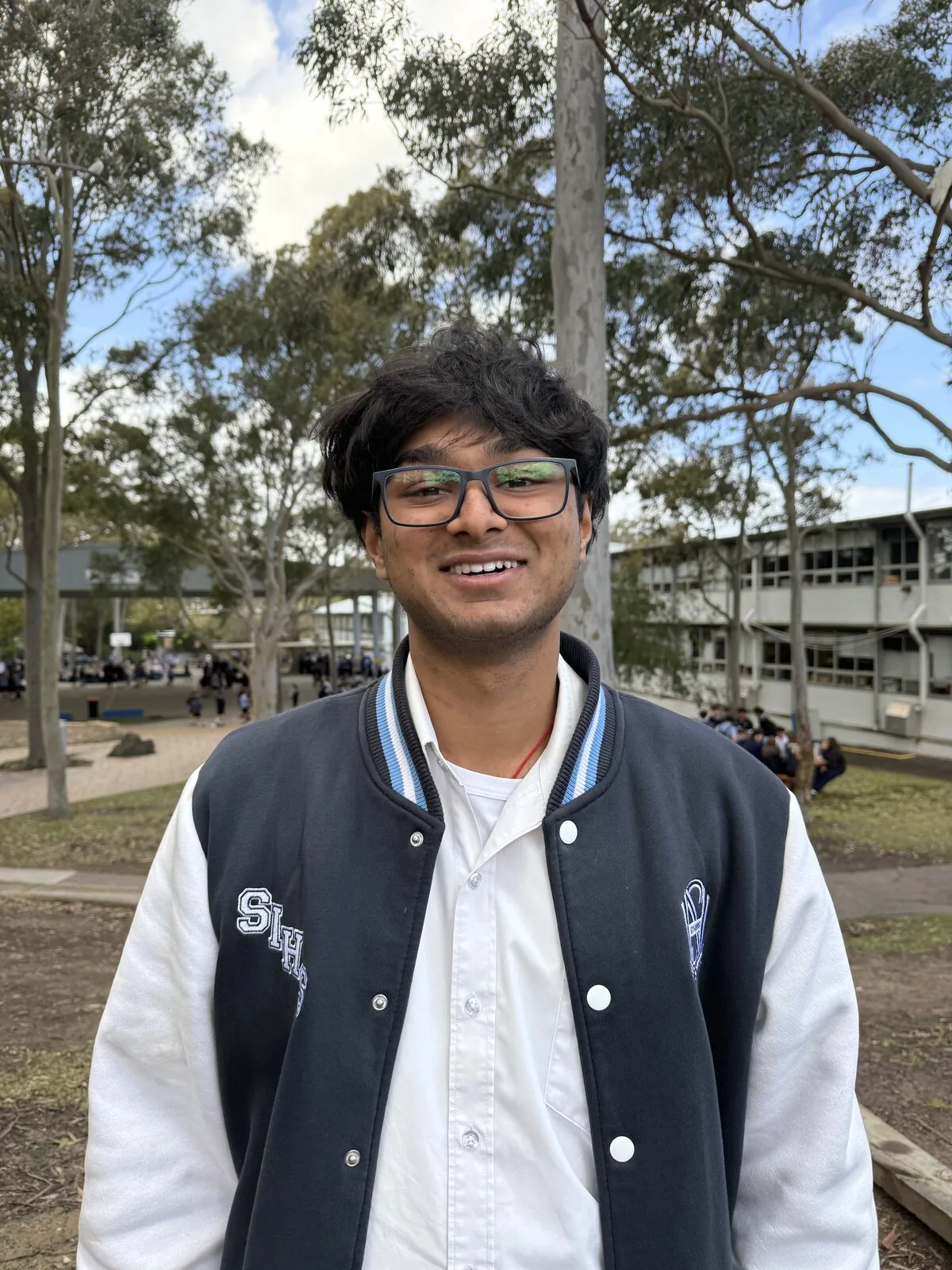
St Ives High School
At St Ives High School, Avyukt improved from 30% in Year 12 Chemistry Task 1 to 84% in Task 3, and from 40% in Physics Task 1 to 86% in Task 3.
完整故事向下捲動即可關閉
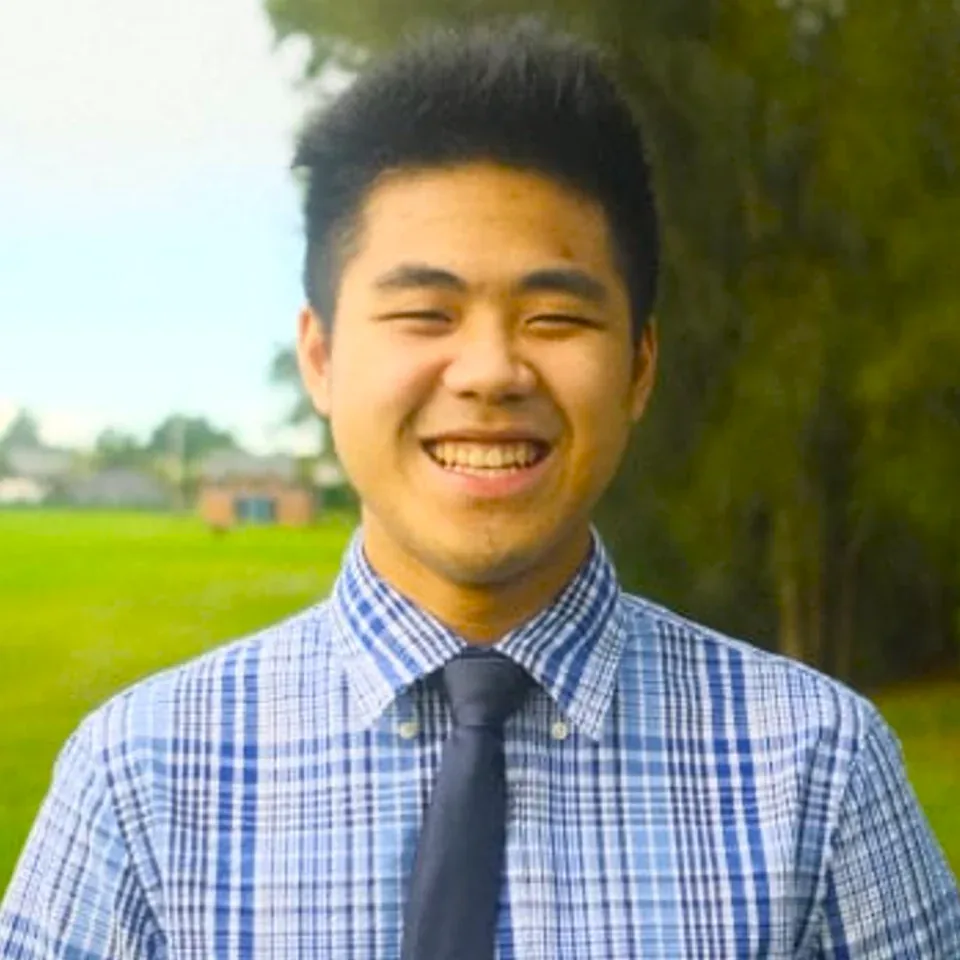
James Ruse
But I was never naturally gifted at science.
Johnny came 73rd in Physics in Year 11. By Year 12 he had improved to fifth at James Ruse, with 96 in HSC Physics, ninth in James Ruse Chemistry and a 99.50 ATAR.
完整故事向下捲動即可關閉
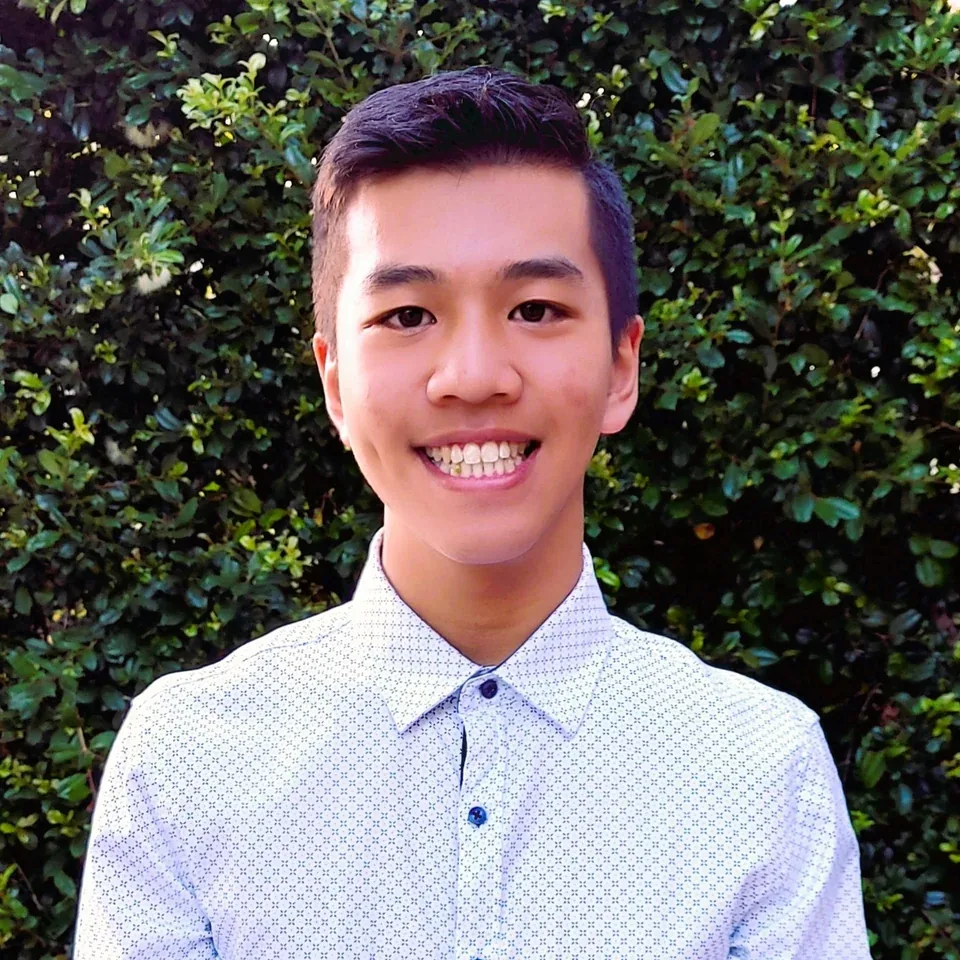
Reddam House
Jaiden graduated from Reddam House in 2023, where he held an academic scholarship. He achieved 94 in Chemistry and a 98.75 ATAR, and later joined the Tutorgum team.
完整故事向下捲動即可關閉
喺 James Ruse 物理考第一之前,我連成績都唔敢話畀阿媽知。
新州物理排名第一ATAR 99.85悉尼大學醫學
嗰陣我讀 Year 10。
不過,有樣嘢我比自拍仲唔掂。
因為我成績一直唔係幾好。
仆街。
全級第 50 名。
我好憎科學。
我讀書、背書、做練習。
但我仍然用錯公式。
考試時要靠估。
我一直入唔到前列,亦考唔到 90% 以上。
我失去咗掌握。
我唔想話畀阿媽知自己嘅成績。
後來我取得咗
由零開始,用直觀方法講清楚。
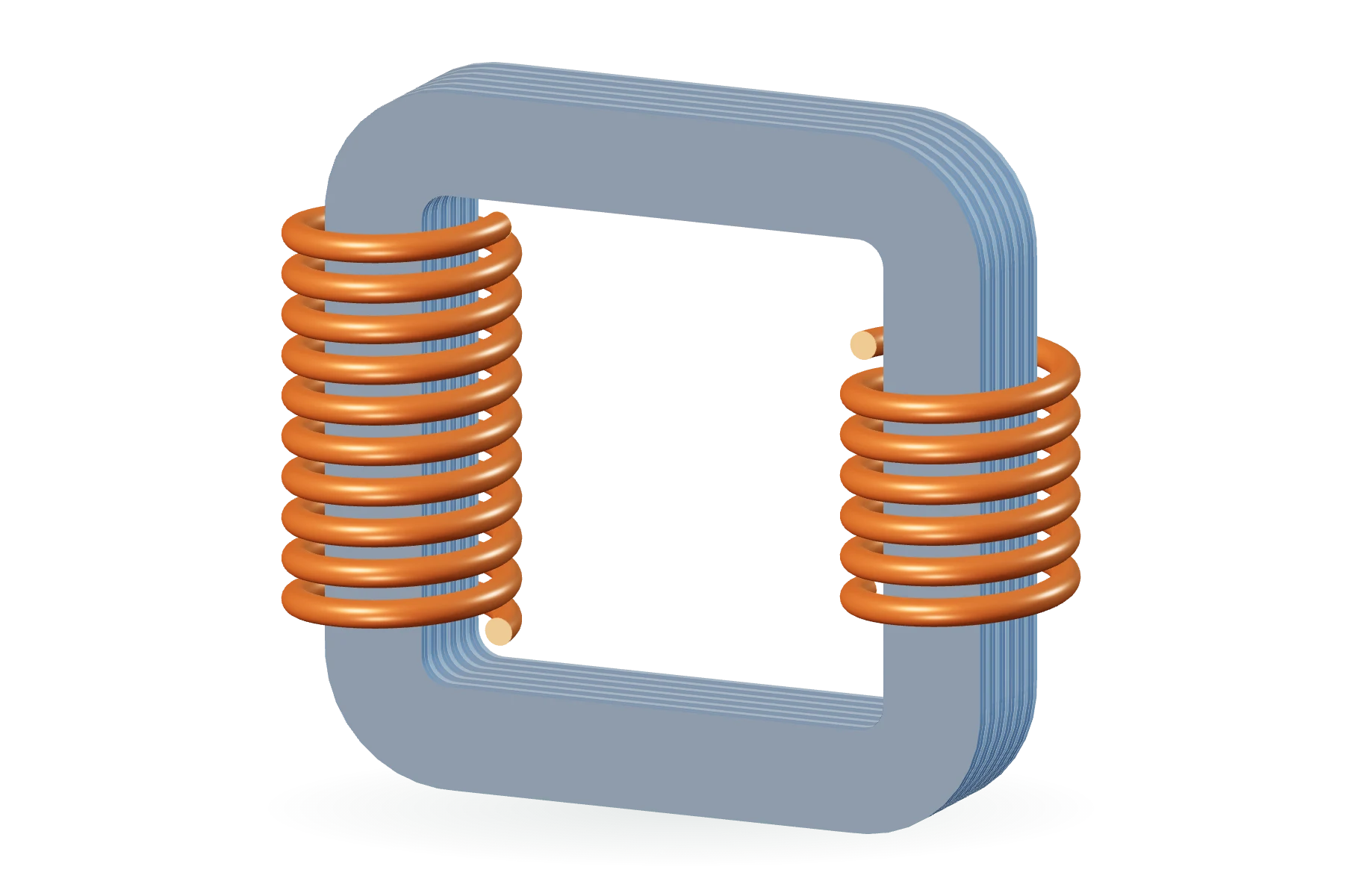
我哋都學過變壓器,但你有冇諗過,點解每個部件都係咁設計?

首先拆到最基本——只保留兩組線圈。

電流通過導線,周圍就會產生磁場。

將導線繞起來,就會形成螺線管,產生磁場。

左邊線圈嘅變化磁場會喺右邊線圈感應出電壓。呢個就係法拉第定律。

無線充電器就用呢種無鐵芯結構,但我哋仲可以令佢更加有效!

加入軟鐵芯,可以增強左邊螺線管嘅磁場。

巧妙之處係將鐵芯延伸到右邊線圈,令更多磁場穿過線圈,增加磁通量變化。

閉合鐵芯回路,為磁場提供返回路徑。

用絕緣鐵片可以減少渦流同發熱。完整嘅變壓器就係咁!
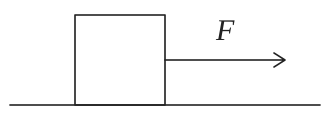
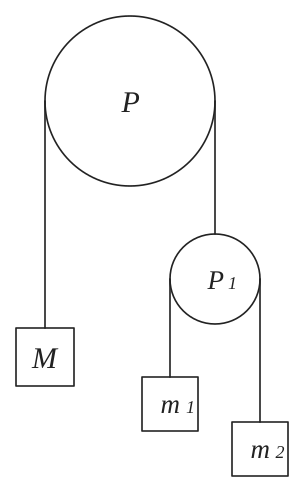
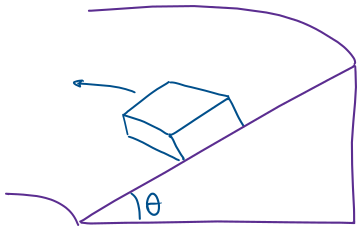
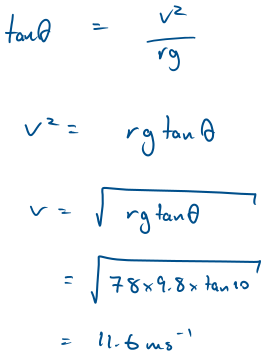
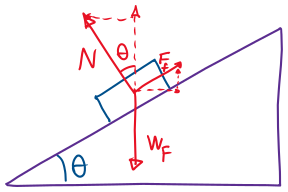
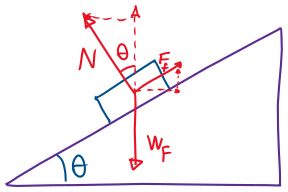
一段半徑 78 米、傾斜 10 度嘅彎道,摩擦係數係 0.1。
ANSWER
Considering the x – there is a net force! The horizontal part of tension must be the centripetal force!
Considering the y – there is no net force. Thus the vertical part of tension must balance the weight force
ANSWER
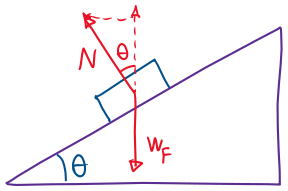
The force of friction must point up the slope. When the car goes really slow, the car will slip towards the centre.
Vertically:
Horizontally:
If we transform them:
ANSWER
If you do the calculations, you’ll see that the min speed is negative!
What does this mean!?
It means there is no minimum speed. At any speed the friction will prevent you from sliding down. You could be going at 0m/s and you’ll be able to stay on the curve (there’s just a lot of friction!). it’s like how you can stand on a slanted hill surface.
Vertically:
Horizontally:
At maximum friction:
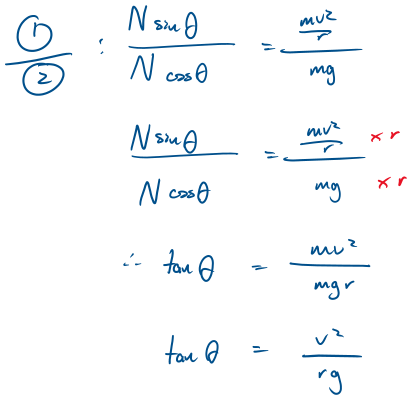
Dividing (2) by (1):
Since cannot be negative, there is no minimum speed.
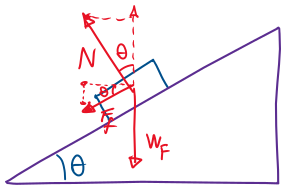
Friction now acts down the slope, as the car tends to slide up the slope.
Vertically:
Horizontally:
Using , divide (2) by (1):
Substitute:
Hence the range of speeds is
Flick through the worked answers.
堂上、落堂後或者兩堂之間都可以隨時問問題,亦可以隨時聯絡導師。
我哋唔提供獨立嘅一對一私人課堂。
每個單元都由第 1 星期開始計。
Revise kinematics and vector resolution, then analyse projectiles launched at an angle.
Build a systematic approach to horizontal and vertical motion, including hidden information and unknowns.
Connect period, speed and centripetal acceleration and distinguish centripetal and centrifugal descriptions.
Use friction, tension and banked-track examples to identify the inward force.
Analyse banked tracks with friction and explore the changing forces in vertical circular motion.
Apply radial and tangential reasoning and energy ideas to roller-coaster and circular-motion questions.
Combine gravitation and centripetal force to find orbital speed and interpret Kepler's laws.
Use an infinity reference for gravitational potential energy and compare it with near-Earth approximations.
Explore Newton's cannon and orbital transfers, then revisit challenging projectile and circular-motion questions.
Work through the latest Module 5 exam and consolidate the module's problem-solving techniques.
每個單元都由第 1 星期開始計。
Review electric and magnetic fields and introduce forces on moving charges.
Apply the Lorentz force to particle paths and harder electric and magnetic field questions.
Explain forces on current-carrying conductors and interactions between parallel wires.
Define magnetic flux and use changing flux to explain induced electromotive force.
Determine induced-current directions and explain applications of eddy currents.
Connect induction to transformer operation, practical limitations and induction applications.
Revise torque and explain how coils, brushes and commutators make a DC motor work.
Compare motor arrangements and explain the role of back EMF in operation.
Explain generator operation and the opposing torque associated with electromagnetic induction.
Explore induction motors, three-phase arrangements and electromagnetic braking.
Practise exam-style electromagnetic questions and review the module's key ideas.
每個單元都由第 1 星期開始計。
Trace the development and verification of the electromagnetic model of light.
Compare measurements of the speed of light and introduce spectra as evidence about stars.
Compare Newton and Huygens, then examine Young's double-slit and Poisson-spot evidence.
Apply diffraction-grating relationships and Malus' law and compare evidence for light models.
Explore the ultraviolet catastrophe and how blackbody radiation challenged classical physics.
Compare classical predictions with observations and use the photon model to explain the effect.
Introduce time dilation, length contraction and simultaneity through thought experiments and paradoxes.
Examine experiments supporting relativity's postulates, time dilation and length contraction.
Apply relativistic momentum, mass-energy relationships and velocity addition.
Construct extended responses connecting experimental evidence to the development of light models.
每個單元都由第 1 星期開始計。
Explore the Big Bang model, expanding space and the formation of cosmic structures.
Connect stellar spectra, the Hertzsprung-Russell diagram and nuclear reactions in stars.
Compare cathode-ray experiments, charge-to-mass measurements and Millikan's oil-drop experiment.
Use scattering evidence to explain Rutherford's model and examine Chadwick's neutron discovery.
Connect hydrogen emission lines and the Rydberg relationship to Bohr's atomic model.
Explore the limits of Bohr's model, de Broglie's proposal and the development of quantum descriptions.
Compare radiation types, calculate radioactive decay and examine nuclear instability.
Connect binding energy to nuclear reactions, reactors and energy release.
Examine evidence for subatomic structure and organise fundamental particles using the Standard Model.
Explain how accelerators probe matter and contribute to developing particle models.
每個單元都由第 1 星期開始計。
Revisit Module 5 theory and practise questions chosen around areas needing revision.
Review forces on charges, helical motion and induction through challenging Module 6 questions.
Practise questions on light measurements, wave evidence, photons and relativity.
Review cosmology, stellar reactions, atomic models and quantum evidence.
Work through mixed questions on mechanics, motors, transformers and scientific reasoning.
Practise mixed questions involving induction, photoelectric observations, light models and relativity.
Work through the third mock-paper stage and revisit the mechanics questions selected in the notes.
每個單元都由第 1 星期開始計。
Practise circular motion, banked tracks and gravitational-energy questions.
Develop explanations and solve harder induction and motor questions.
Review Planck's proposal and the photoelectric effect, with emphasis on conceptual responses.
Explain mass defect and practise the related calculations.
Revisit proper time and proper length and review selected written responses.
Work through the selected exam questions and refine your problem-solving approach.
Practise flux, binding-energy and radiation questions alongside time management and response planning.
Combine mechanics, induction, relativity, spectra and scientific skills in harder exam problems.
Work through the final HSC practice paper and review questions needing further attention.
搵唔到相近嘅問題。你可以睇吓下面嘅問題,或者打電話畀我哋。
打電話畀我哋 0490 496 078可以。HSC Physics 課堂喺 Zoom 網上進行,悉尼、新州各區同澳洲其他地方嘅學生都可以參加。Year 11 同 Year 12 小組包括考試式功課、詳細解答同一對一導師支援。課程跟 NSW HSC;如果你讀緊其他課程,聯絡我哋確認是否適合。
話畀我哋知你讀邊個年級、學過咩課題,同埋邊度遇到困難。我哋會幫你揀合適班別,亦會講吓報名前需要補返啲咩。
我哋課程按固定次序進行。帶埋學校嘅評估時間表,我哋可以同課程計劃比較,商量點樣提早支援你要學嘅課題。
你可以喺堂上問,亦可以私下搵導師。一對一支援就係幫你一步步理解問題,或者重新講解未明白嘅概念。
Send us your year, subject and preferred class. We’ll help you find a suitable lesson. The first lesson is only charged if you want to continue, otherwise it's totally free!
我細個都係個怕醜嘅男仔。我唔敢問問題,怕人哋會點睇我。
如果你一定要全程一對一上堂,建議搵其他老師。
不過,授課形式同搵專家教你個小朋友,邊樣更重要?補習老師有好多,但有幾多個喺新州有過頂尖成績?唔係個個都好似我咁熟化學平衡同電磁學,識得點講到學生突然明晒,亦知道學生點解失分同點樣改善。所以唔係個個都做到好似 Kirsten Chu 喺 2022 年由 56% 升到 91% 咁嘅成績。
冇人想喺班上落後一大截。畀你參考,我哋學生入班時通常係平均水平或者略低。學生嚟自選拔制中學(例如 NSB、NSG、Ruse)、私立學校(例如 Scots、St Patricks、Meriden),同埋非選拔制中學(例如 Castle Hill、Carlingford HS)。我哋會落堂後答問題,同埋提供之前課題嘅學習資料,幫佢哋跟返進度。
上堂教新課題時,我哋一定會由基礎開始講。就算學生漏咗之前嘅概念,都可以明白新內容。
我哋嘅小班同大部分補習班唔同。我樂意一對一幫學生。有問題,可以落堂之後單獨問我,成個星期都可以搵我!有需要嘅話,我可以用一個鐘同你講解。
每星期一堂,每堂兩個鐘,用 Zoom 上網課。
我哋會先做 10 分鐘小測,再教一個新概念,然後做幾題鞏固理解。成堂會重複呢個過程。臨考試會上溫習堂,事先發一份模擬試卷,上堂再講學生想問嘅難題。
我哋接受銀行轉帳,通常按學期收費。如果你決定唔再上堂,未用嘅堂數會全數退款。
我哋好唔建議因為考試而唔上堂。如果時間緊,可以唔做住功課,但最好照上堂。如果你缺席,我哋會畀返所有教材同課堂錄影,但嗰堂唔會退款。
睇時間表就知道而家有邊啲上堂時間。
係。學校放假時照常上堂。我哋唔會喺假期搞密集課,因為對學生冇乜效果。
人數唔固定,通常大約 5 人。
帶住學習嘅熱情同一支筆,最好再準備一本專用簿。其他資料我哋會發畀你。
學生考得唔理想,主要係未掌握核心概念。跟我哋學過課程內容之後,大部分學生就唔會再遇到呢個問題。打好基礎之後,我哋每星期都會出考試題型嘅功課,等學生每星期都練到考試。
臨考試我哋仲會開放內部收集嘅學校舊試卷畀學生練習,呢啲係最好嘅備考材料。考試之前亦會上堂講解應試技巧。
加速班通常會喺 12 年級模擬試(第 3 學期第 2 星期)前一個學期教晒所有內容。即係考前大約有 7 個星期溫習,考完之後有大約 10 個星期準備 HSC。我哋每星期會做一次指定單元測驗,逐個單元溫,再做模擬試卷。
跟學校進度班同學校同步,所以大約有 6 個星期溫 HSC。
依次教單元 1、2、3、4、5、6、7 同 8。
有啲學校會調動教學次序。以我經驗,冇問題,因為到考試時一樣會學晒相同嘅內容。就算進度同學校唔同步,最重要係學生真係學到嘢。
學生啱啱入班嗰陣通常係平均水平或者略低。佢哋嚟自選拔制中學(例如 NSB、NSG、Ruse)、私立學校(例如 Scots、St Patricks、Meriden),同埋非選拔制中學(例如 Castle Hill、Carlingford HS)。
進步與否唔係睇你有幾叻,最重要係肯唔肯落力。好似 Jade Yang 同 Kirsten Chu 呢啲進步明顯嘅學生,每星期喺物理同化學度用超過 10 個鐘。我哋會令個過程容易啲。只要你做晒全部功課(考試練習),同埋每堂都出席,你就會進步。
問題係,你肯唔肯做?
可以。課堂喺網上,所以喺悉尼、紐卡素、臥龍崗、新州其他地區或者澳洲其他地方都可以參加,唔使去補習中心。
物理同化學係按新州 HSC 設計嘅。如果你讀另一個州或者唔同嘅課程,請聯絡我哋,講低年級同課題,等我哋傾吓適唔適合。上到網課,唔代表所有教學大綱都會教到。
仲有其他問題?
打電話畀我哋 0490 496 078