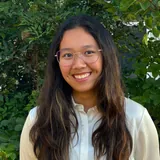
يلتقي الطلاب في مجموعة صغيرة عبر Zoom لمدة ساعتين كل أسبوع. يحصلون على واجبات بأسلوب الامتحان مع حلول خطوة بخطوة، ويمكنهم طرح أسئلتهم على المدرّس بشكل فردي.
لديه موهبة في تبسيط كل مفهوم إلى أجزاء سهلة الفهم.
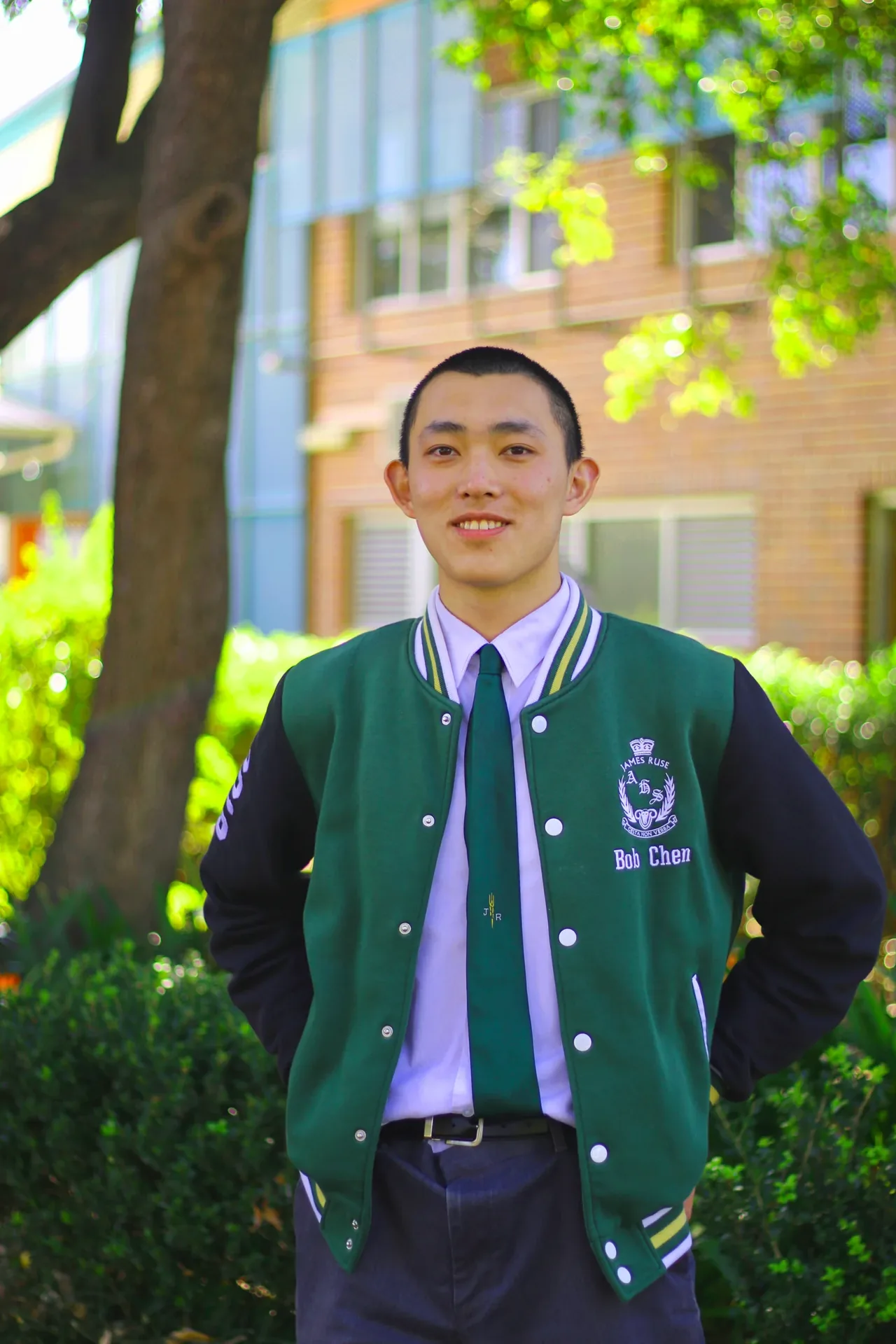
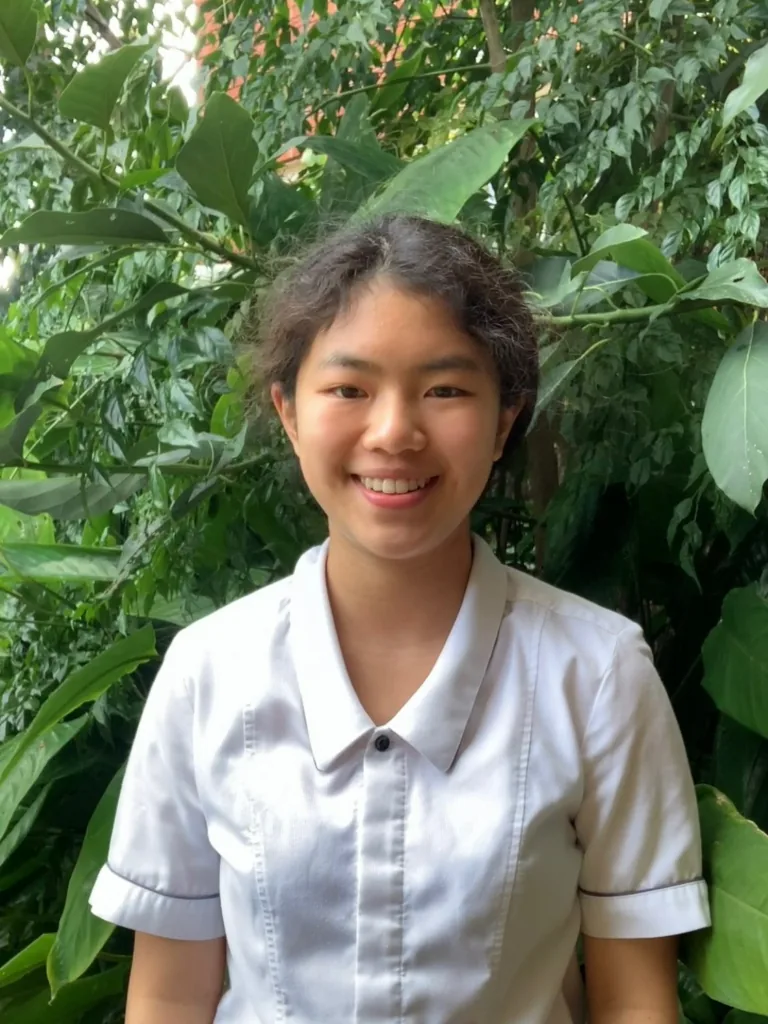
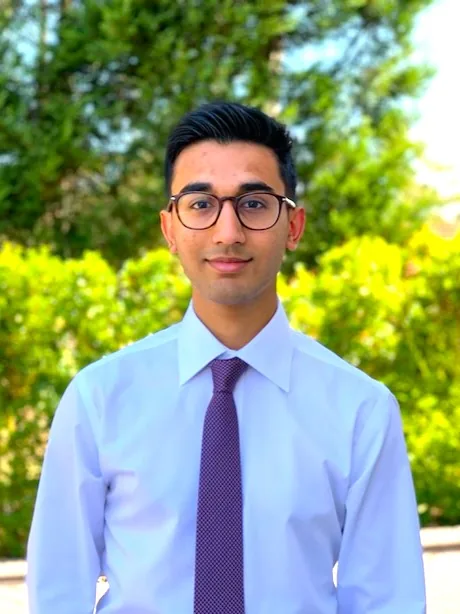
حصلت Jade على 49% في كيمياء الصف 11. احتاجت إلى فهم الأفكار الصعبة بدل الاكتفاء بحل مزيد من أسئلة الكتاب. شرح Bob المفاهيم خطوةً خطوة، وساعدها خارج الحصة، وركّز التدريب على نقاط ضعفها. ثم حققت Band 6 في كيمياء HSC.
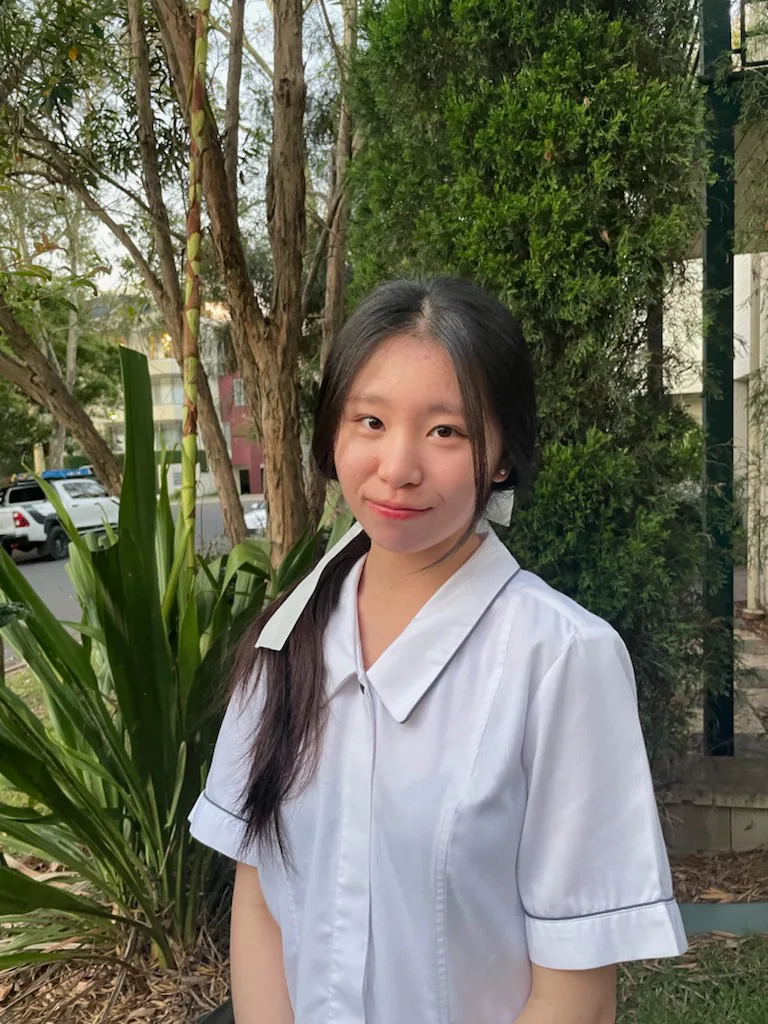
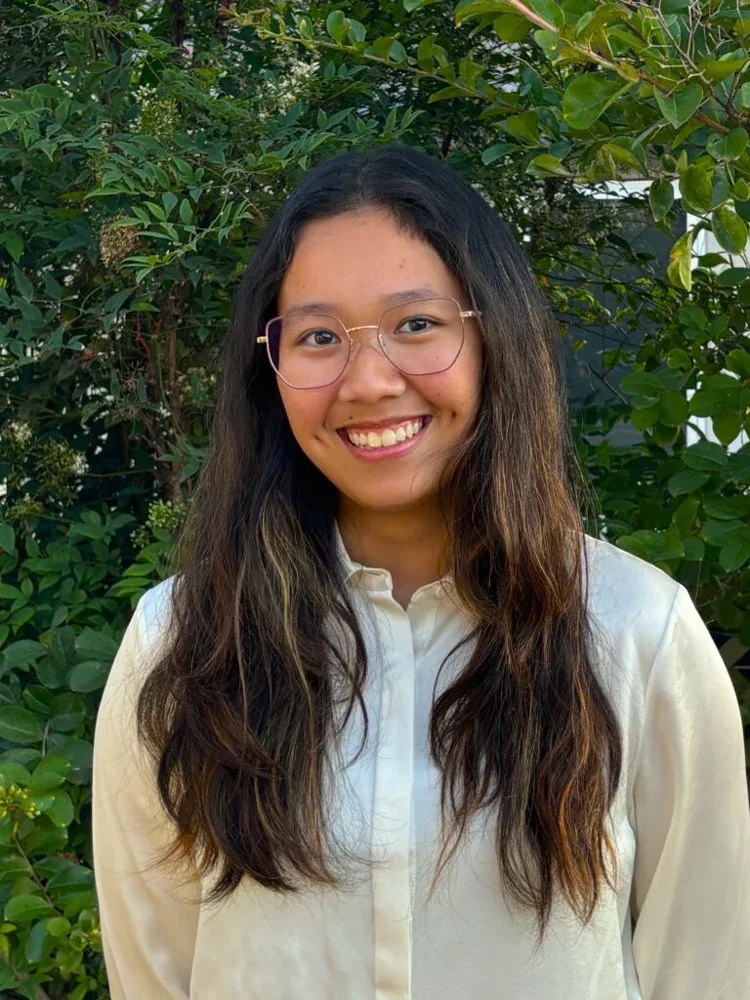
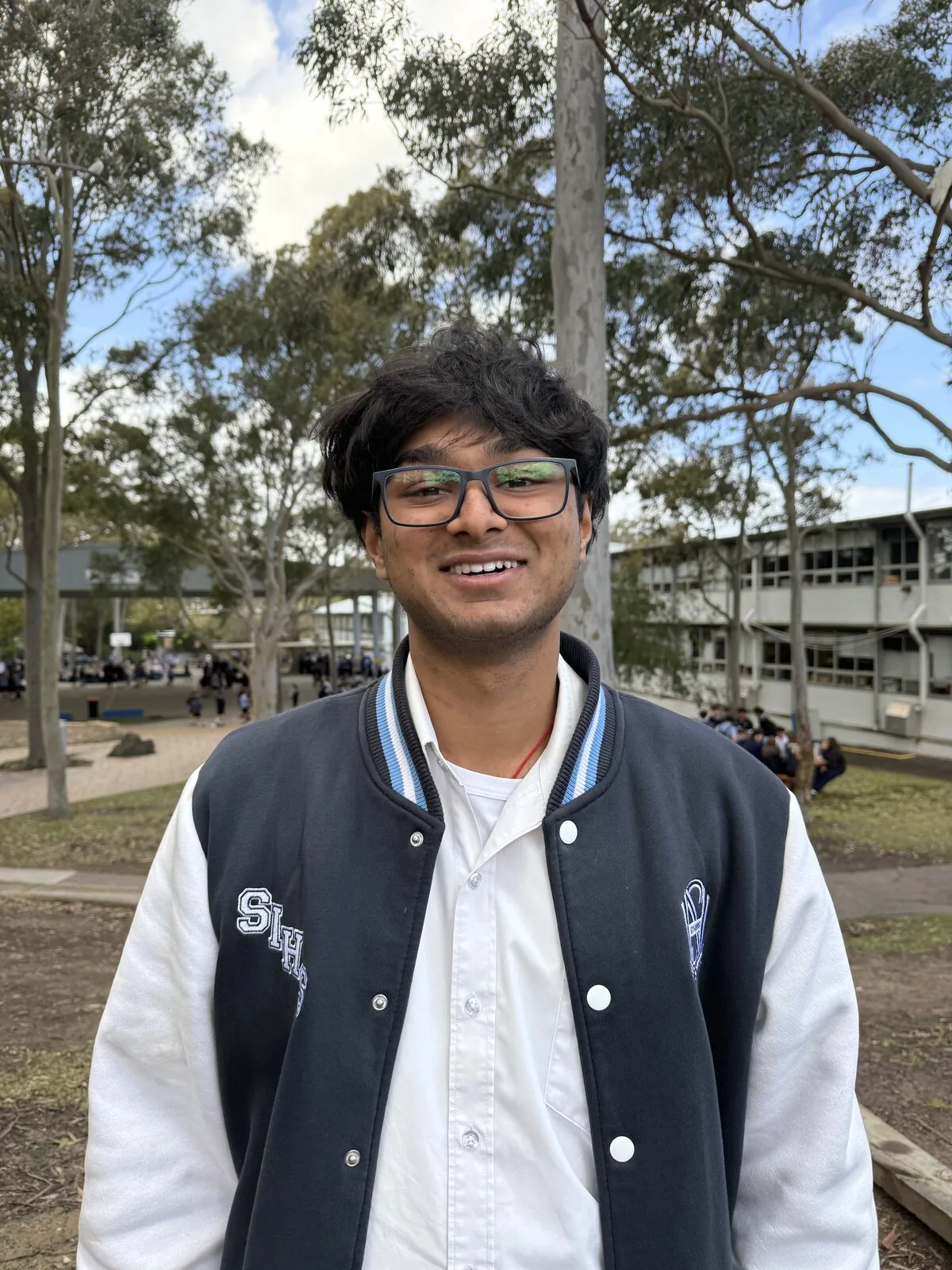
كانت نتائج Kirsten تتراجع وبدأت تخشى الفيزياء. منحتها الحصص الأكثر تخصيصًا مساحةً للأسئلة والتعلّم وفق وتيرتها. ساعدها التدريب المتقدم والدعم خارج الصف على الاستعداد. ارتفعت نتيجتها في تجريبي الكيمياء من 56% إلى 91% في HSC، وحصلت أيضًا على 92 في الفيزياء.
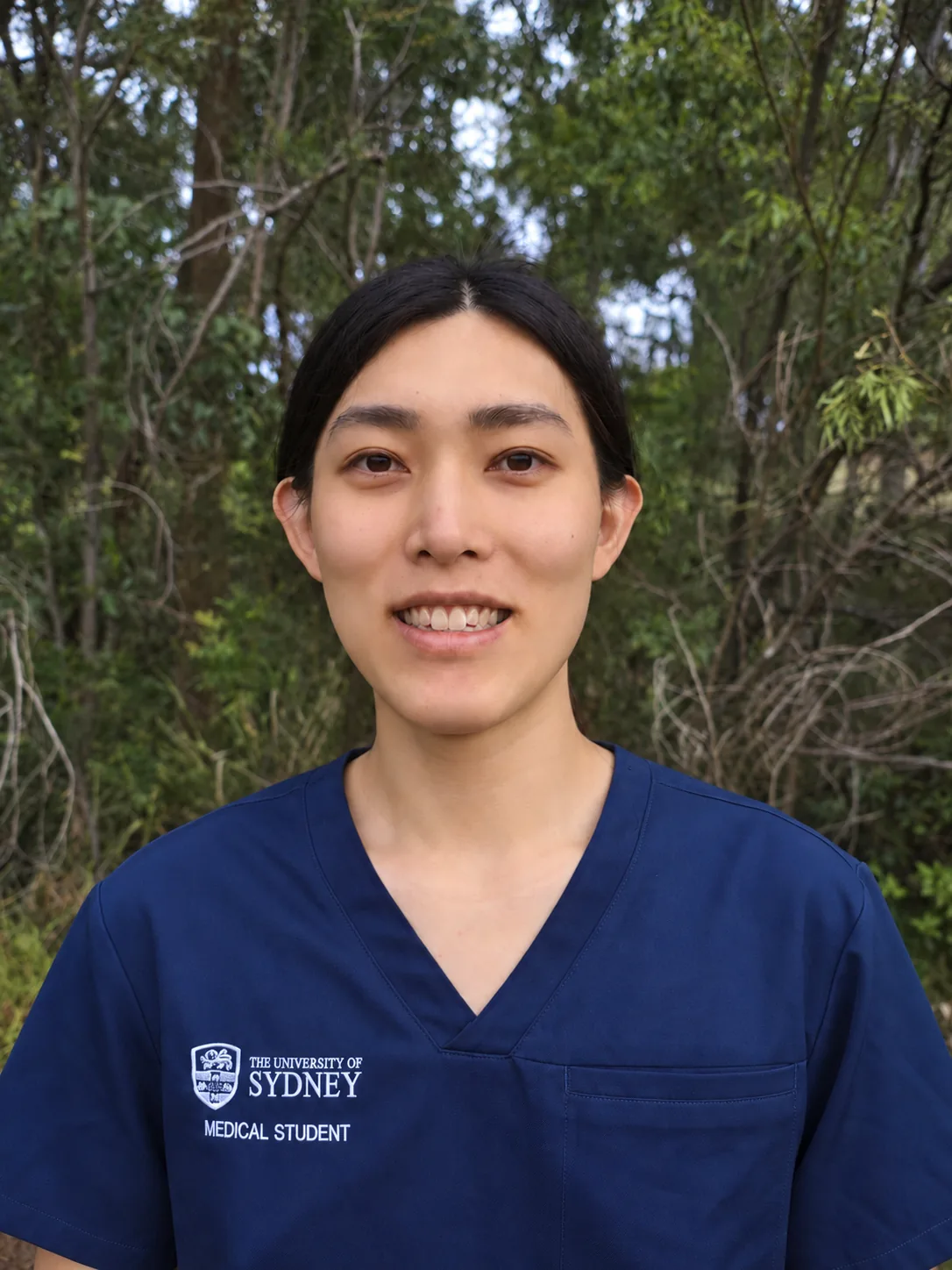
قدّرت Queenie وجود مدرّس يشرح الفكرة بطريقة أخرى، ويجيب عن أسئلتها بعد الحصة ويساعدها في تقييمات المدرسة. ساعدها ذلك على التفكير في الفيزياء بإبداع بدل الاعتماد على شرح الكتاب وحده. تخرّجت من Hurlstone Agricultural بنتيجة 95 في الفيزياء وATAR قدره 99.75.
قبل أن أحقق المركز الأول في فيزياء James Ruse، لم أكن أجرؤ حتى على إخبار أمي بدرجاتي.
تصوير من الصف · نسخة أصلية ممسوحة من الامتحان
كنت في الصف العاشر.
يا للأسف.
لكن كان هناك شيء أسوأ لدي من التقاط صور السيلفي.
العلوم.
لم تكن نتائجي جيدة.
تبًّا. المركز 50 في الصف.
كرهت العلوم.
درست. حفظت. وتدرّبت.
ومع ذلك استخدمت الصيغ الخاطئة. واضطررت إلى التخمين في الامتحانات.
لم أستطع الوصول إلى المراكز الأولى أو تجاوز 90%.
فقدت السيطرة.
لم أرد إخبار أمي بدرجاتي.
لذلك عرفت أن شيئًا ما يجب أن يتغير.
ثم حققت
الأول في فيزياء James Ruse.الأول في فيزياء James Ruse.
المركز الأول على الولاية في الفيزياء.المركز الأول على الولاية في الفيزياء.
ATAR 99.85.ATAR 99.85.
طب جامعة سيدني.طب جامعة سيدني.
كنت في الصف العاشر.
يا للأسف.
لكن كان هناك شيء أسوأ لدي من التقاط صور السيلفي.
العلوم.
لم تكن نتائجي جيدة.
تبًّا. المركز 50 في الصف.
كرهت العلوم.
درست. حفظت. وتدرّبت.
ومع ذلك استخدمت الصيغ الخاطئة. واضطررت إلى التخمين في الامتحانات.
لم أستطع الوصول إلى المراكز الأولى أو تجاوز 90%.
فقدت السيطرة.
لم أرد إخبار أمي بدرجاتي.
لذلك عرفت أن شيئًا ما يجب أن يتغير.
ثم حققت
الأول في فيزياء James Ruse.
المركز الأول على الولاية في الفيزياء.
ATAR 99.85.
طب جامعة سيدني.
إذًا، كيففعلنا ذلك؟
Explained intuitively and from scratch
Salt in water. Let’s look inside one grain.
Salt in water. Let’s look inside one grain.
Its white surface looks smooth. Keep zooming in.
That surface is made of tiny Na⁺ and Cl⁻ ions.
The ions form a repeating lattice.
Let’s follow this Na⁺ ion at the edge.
Oxygen pulls water’s shared electrons closer. Its end is slightly negative; the hydrogen ends are slightly positive.
The negative oxygen ends face Na⁺. Gold dots show their attraction to the ion.
Water pulls outwards. The surrounding Cl⁻ ions hold Na⁺ in the lattice.
Na⁺ separates from the lattice, with water molecules around it.
That’s Na⁺(aq): a sodium ion surrounded by water.
2.واجبات بأسلوب الامتحان
تعرف كيف تتعلم في المدرسة …
لكن في الامتحان، قد تواجه…But then,in the exam,قد تواجه…
ماذا لو حللت أسئلة كهذه في واجبك كل أسبوع؟
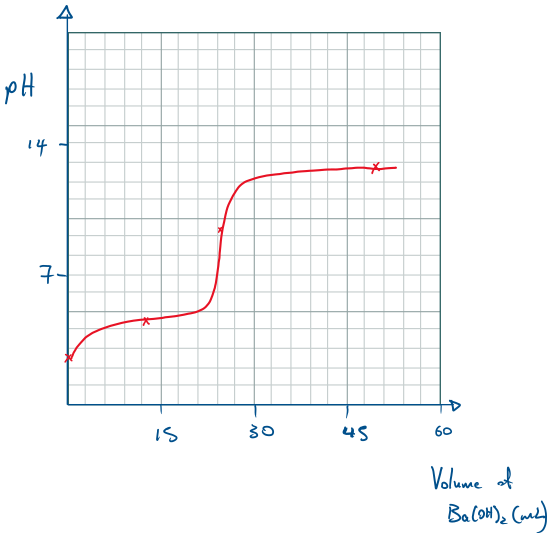
A man begins to titrate 65.7mL of 0.270M acetic acid against 0.350M Ba(OH)2. Acetic acid has a pKa of 4.76. Draw the pH graph, ensuring you label the following points:
The initial pH (2 marks)
The pH at equivalence point (3 marks)
The pH at the optimal buffer point (2 marks)
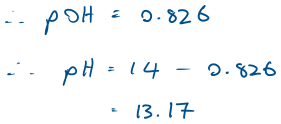
The pH after 50mL of Ba(OH)2 has been added (2 marks)
ولكل سؤال حلٌّ مشروح خطوة بخطوة.
a) The initial pH (2 marks)
ANSWER
Step 1: Thinking
Acetic acid is a weak acid and its dissociation in water can be represented as below:
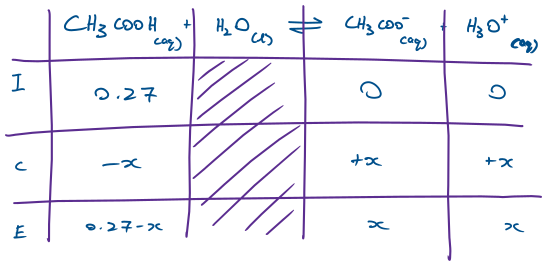
Step 2: Draw up ICE table
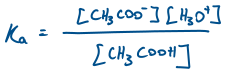
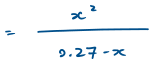
Step 3: Substitute into the Ka expression
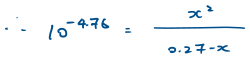
The acid dissociation constant, Ka, can be calculated from the pKa value:
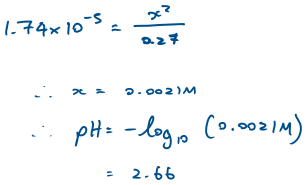
Make the small change assumption
وسّع الكلعرض أقل
a) The initial pH (2 marks)
ANSWER
Step 1: Thinking
Acetic acid is a weak acid and its dissociation in water can be represented as below:
Step 2: Draw up ICE table
Step 3: Substitute into the Ka expression
The acid dissociation constant, Ka, can be calculated from the pKa value:
Make the small change assumption
b) The pH at equivalence point (3 marks)
ANSWER
Step 1: Thinking
At the equivalence point, all of the acetic acid has reacted with the NaOH to form its conjugate base, acetate ion (CH3COO–). This is why there is a pH at equivalence point!
To determine the pH, we need to consider the hydrolysis of acetate ion in water:
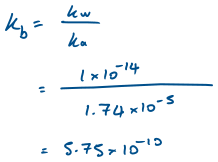
The equilibrium constant for this reaction is given by:
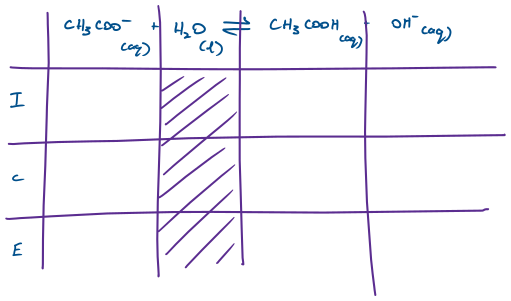
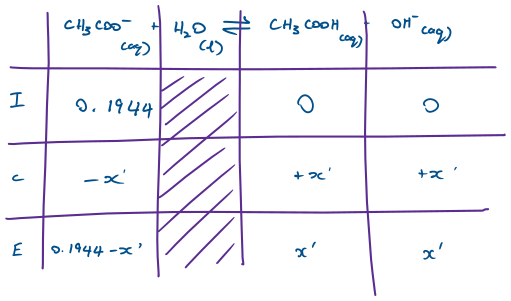
Step 2: Draw ICE table
An ICE table can be used to determine the concentration of OH– ions in the solution at equilibrium:
Hm but we don’t know what the concentration of CH3COO– is at equivalence point! Let’s go calculate it first.
Step 3: Calculate concentration of acetate ion at the equivalence point
At the equivalence point, all of the acetic acid has reacted with the NaOH to form its conjugate base, acetate ion (CH3COO–).
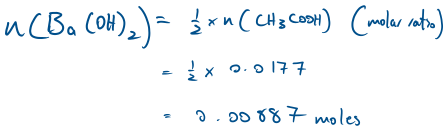
The number of moles of acetic acid initially present is (0.270M)(0.0657L) = 0.0177 moles. To find the concentration we need to know the volume at the end point.
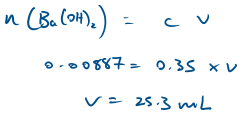
The volume of the solution at the equivalence point is 65.7mL + 25.3mL = 91mL, so the concentration of acetate ion at the equivalence point is (0.0177 moles)/(0.091L) = 0.1944M.
Step 4: Sub into ICE table
Step 4: Substitute into the Kb expression gives:
Kb=[CH3COO−][CH3COOH][OH−]
=0.1944−x′x′2
=0.1944x′2
5.75×10−10=0.1944x′2
x’ ≈ 10.57 × 10⁻⁶
which is the concentration of OH– ions in the solution. The pOH of the solution at equivalence point is therefore:
pOH=−log[OH−]=−log(10.57×10⁻⁶)≈4.976
and its pH is:
pH=14−pOH≈9.02
c) The pH at the optimal buffer point (2 marks)
ANSWER
We need to realise that the optimal buffer point is when there is equimolar acid and conjugate base.
This will occur at halfway to the equivalence point.
To understand this, consider you had 1 mole of CH3COOH.
After you add in 0.5 moles of OH- (or in this case, 0.25 moles of Ba(OH)2) you will have 0.5 moles of CH3COO- and also 0.5 moles of CH3COOH left. Thus, you have equimolar amounts of acid and conjugate base.
Thus, it will be at 0.5 x 25.3mL = 12.65mL
The pH will be:
Ka=[CH3COOH][CH3COO−][H3O+]
=[CH3COOH][CH3COO−][H3O+]
Ka=[H3O+]
1.74×10−5=[H3O+]
pH=4.76
d) The pH after 50mL of Ba(OH)2 has been added (2 marks)
ANSWER
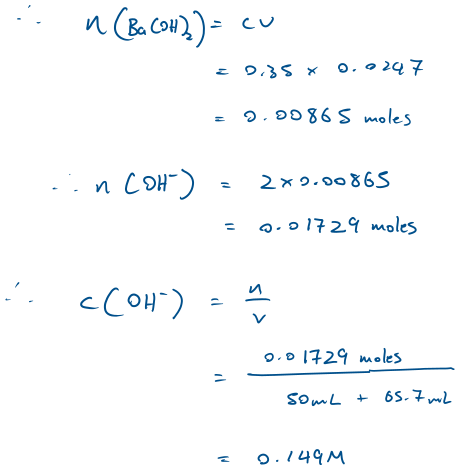
This is about double the equivalence point volume.
Getting to equivalence takes 25.3mL
Thus you add another 24.7 mL of Ba(OH)2.
This just adds pure OH-
And don’t worry, there’s plenty more where that came from.
Flick through the worked answers.
Loading sample…
3.دعم فردي من المدرّس
اسأل في أي وقت أثناء الحصة أو بعدها أو بين الحصص، وتواصل مع مدرّسك متى احتجت.
تستمر الحصص خلال العطلات المدرسيةاستراحة أسبوعين في عيد الميلاد ورأس السنة
الوحدة 1: Properties and structure of matterAtoms, bonding and the properties of substances+ — الخطة الأسبوعيةتستمر الحصص خلال عطلة الفصل الدراسي الثاني
يبدأ ترقيم الأسابيع من 1 في كل وحدة. الموضوعات الأسبوعية مأخوذة من خطتنا الحالية وتُراجع وفق المنهج الجديد.
الأسبوع 1
Matter and mixtures
Classify matter and mixtures, compare separation methods and review significant figures.
الأسبوع 2
The periodic table and chemical naming
Introduce periodic organisation, ionic and covalent bonding and the naming of compounds.
الأسبوع 3
Valence electrons and bonding
Connect valence electrons to chemical properties, Lewis diagrams and the formulas of compounds.
الأسبوع 4
Electron configurations
Use SPDF notation and orbital diagrams to describe electron arrangements.
الأسبوع 5
Electron transitions and flame tests
Connect Bohr's model and electron transitions to observed flame-test colours.
الأسبوع 6
Periodic trends
Explain patterns in ionisation energy and atomic properties using electron arrangements.
الأسبوع 7
Bond polarity
Use electronegativity differences to distinguish non-polar, polar and ionic bonding.
الأسبوع 8
Molecular shapes
Use electron-pair repulsion to predict three-dimensional shapes and connect shape to polarity.
الأسبوع 9
Bonding and material structures
Explain covalent networks and metallic structures and connect their bonding to material properties.
الأسبوع 10
Intermolecular forces
Compare dispersion, dipole and hydrogen-bonding interactions and their effects on substances.
تستمر الحصص خلال عطلة الفصل الدراسي الثاني
الأسبوع 11
Boiling points and module consolidation
Combine intermolecular forces to explain boiling points and revisit the module's core ideas.
الوحدة 2: Quantitative chemistryMoles, equations, gases and concentrations+ — الخطة الأسبوعية
يبدأ ترقيم الأسابيع من 1 في كل وحدة. الموضوعات الأسبوعية مأخوذة من خطتنا الحالية وتُراجع وفق المنهج الجديد.
الأسبوع 1
Writing and balancing reactions
Write chemical equations and use conservation of mass and charge to balance them.
الأسبوع 2
The mole
Connect particle numbers, molar mass and reacting amounts using the mole concept.
الأسبوع 3
Empirical formulas and limiting reagents
Determine empirical formulas and identify which reactant limits the amount of product.
الأسبوع 4
Concentration
Distinguish solute and solvent and work with common concentration measures.
الأسبوع 5
Gas relationships
Use particle ideas to explain gas behaviour and introduce gas-law calculations.
الأسبوع 6
The ideal gas law
Combine gas relationships with mole calculations in worked examples.
الأسبوع 7
Quantitative Chemistry revision
Revisit balancing equations, reacting amounts, concentration and gas calculations.
الوحدة 3: Chemical reactionsReactions, rates and energy changes+ — الخطة الأسبوعيةتستمر الحصص خلال عطلة الفصل الدراسي الثالثتستمر الحصص خلال عطلة الفصل الدراسي الرابع
يبدأ ترقيم الأسابيع من 1 في كل وحدة. الموضوعات الأسبوعية مأخوذة من خطتنا الحالية وتُراجع وفق المنهج الجديد.
الأسبوع 1
Chemical changes and reactions
Distinguish physical and chemical changes and examine evidence that reactions have occurred.
الأسبوع 2
Precipitation and ionic equations
Use solubility rules to predict precipitates and construct full and net ionic equations.
الأسبوع 3
Metal reactions and reactivity
Compare metals reacting with acids, oxygen and water and build a reactivity series.
الأسبوع 4
Displacement and electron transfer
Explain metal displacement reactions using electron transfer and relative reactivity.
تستمر الحصص خلال عطلة الفصل الدراسي الثالث
الأسبوع 5
Oxidation numbers and redox equations
Assign oxidation numbers and balance oxidation-reduction reactions.
الأسبوع 6
Electrochemical cells
Connect separated redox reactions to the production of electrical energy.
الأسبوع 7
Cell potentials
Calculate cell potentials and interpret electrode-potential relationships.
الأسبوع 8
Reaction rates
Measure and explain how quickly reactions occur using collision ideas.
الأسبوع 9
Factors affecting reaction rates
Use collision theory to explain effects of concentration, surface area and other rate factors.
الأسبوع 10
Reaction-type consolidation
Recognise and compare synthesis, decomposition, combustion, precipitation and acid reactions.
الأسبوع 11
Enthalpy and energy profiles
Distinguish exothermic and endothermic changes and draw reaction-energy profiles.
الأسبوع 12
Calorimetry and molar reactions
Solve heat calculations and connect measured heat to the mole ratios in a reaction.
الأسبوع 13
Bond energy
Explain energy changes by comparing the energy needed to break bonds with that released in bond formation.
الأسبوع 14
Hess's law
Combine reaction equations and enthalpy changes to find an unknown reaction enthalpy.
الأسبوع 15
Entropy and spontaneity
Introduce entropy and distinguish chemical spontaneity from everyday ideas about reaction speed.
الأسبوع 16
Gibbs free energy
Combine enthalpy and entropy to predict spontaneity using Gibbs free energy.
تستمر الحصص خلال عطلة الفصل الدراسي الرابع
الأسبوع 17
Drivers of Reactions revision
Review calorimetry, energy profiles, bond energies, Hess's law, entropy and molar reactions.
Year 11 exam reviewPause between Modules 4 and 5 for four module reviews and four mock-paper weeks; contents inferred from the codes.+ — الخطة الأسبوعية
يبدأ ترقيم الأسابيع من 1 في كل وحدة.
الأسبوع 1
Properties and Structure of Matter review
Practise the module-review paper on bonding, structure and properties.
الأسبوع 2
Quantitative Chemistry review
Review concentration, gas laws and reacting quantities through module-paper questions.
الأسبوع 3
Reactive Chemistry review
Revise reaction types and the key ideas used to explain chemical reactions.
الأسبوع 4
Drivers of Reactions review
Review heat calculations and the relationships between enthalpy, entropy and spontaneity.
الأسبوع 5
Preliminary mock paper 1
Practise mixed questions on shapes, gas laws, mole calculations, entropy and solubility.
الأسبوع 6
Preliminary mock paper 2
Review selected questions on enthalpy, reduction potentials and Lewis structures.
الأسبوع 7
Preliminary mock paper 3
Practise periodic trends, redox, dilution, Hess's law and galvanic-cell questions.
الأسبوع 8
Preliminary mock paper 4
Work through a further mock paper with emphasis on oxidation-number and redox reasoning.
هل يمكنني الانضمام إلى دروس الكيمياء عبر الإنترنت من سيدني أو خارجها؟
نعم. تُعقد دروس Chemistry عبر Zoom لطلاب HSC في الصفين 11 و12 من سيدني ومناطق نيو ساوث ويلز وغيرها في أستراليا. تشمل المجموعات الصغيرة واجبات بأسلوب الامتحان وحلولًا مشروحة ودعمًا فرديًا. إذا كنت تدرس منهجًا آخر، أخبرنا بالموضوعات لنتحقق من ملاءمة منهج HSC في نيو ساوث ويلز.
هل أحتاج إلى مهارة جيدة في الرياضيات لدراسة الكيمياء؟
ستستخدم النسب وإعادة ترتيب المعادلات والترميز العلمي. نربط كل عملية حسابية بمفهوم الكيمياء لتفهم ما تمثله الأرقام.
ماذا لو كانت مدرستي تدرس الموضوعات بترتيب مختلف؟
أحضر جدول تقييمات مدرستك لنقارنه بخطة الدروس ونناقش دعم الموضوعات التي تحتاج إليها مبكرًا.
هل يمكنني الانضمام بعد بدء الدورة؟
أخبرنا بصفك والموضوعات التي درستها وما تجد صعوبة فيه. سنساعدك في إيجاد مجموعة مناسبة ونناقش ما تحتاج إلى تعويضه قبل التسجيل.
هل يمكنني طرح الأسئلة خارج الحصة؟
نعم. أحضر سؤالك وطريقة حلك إلى مدرسك. يساعدك الدعم الفردي على فهم خطوة أو فكرة لم تتضح بعد.
What happens when I book a trial?
Send us your year, subject and preferred class. We’ll help you find a suitable lesson. The first lesson is only charged if you want to continue, otherwise it's totally free!
طفلي خجول جدًا ولا يجرؤ على السؤال. هل تناسبه الدروس الجماعية؟
كنت طفلًا خجولًا مثله. كنت أخشى طرح الأسئلة لأنني كنت أقلق مما قد يفكّر فيه الآخرون.
يمكن للطلاب طرح أسئلتهم على انفراد بعد الحصّة، أو إرسالها بالبريد الإلكتروني أو الرسائل النصية بين الحصص.
أطرح أسئلة على كل طالب أثناء الحصّة ليشارك الجميع.
أتابع تقدّم كل طالب لألاحظ ما إذا كان يواجه صعوبة في مجاراة المجموعة.
إذا كنت تحتاج حتمًا إلى دروس فردية طوال الوقت، فأنصحك بالبحث عن مدرّس آخر.
لكن ما الأهم لك، شكل الدرس أم أن يتعلّم طفلك على يد خبير؟ المدرّسون كثيرون، لكن كم منهم كان من الأوائل في نيو ساوث ويلز؟ ليسوا جميعًا على دراية مثلي بالتوازن الكيميائي والكهرومغناطيسية، أو بكيفية شرحها حتى تتّضح للطالب، أو بأسباب فقدان الدرجات وكيفية معالجتها. ولهذا قد لا يحقّقون نتيجة كتلك التي حقّقتها Kirsten Chu عام 2022 حين ارتفعت درجتها من 56% إلى 91%.
هل يستطيع طفلي مجاراة المجموعة؟
لا أحد يرغب في أن يتأخّر كثيرًا عن زملائه. لمساعدتك على تحديد مدى ملاءمة الدروس، يبدأ طلابنا عادةً بدرجات متوسّطة أو أقلّ قليلًا من المتوسّط. نستقبل طلابًا من مدارس انتقائية مثل NSB وNSG وRuse، ومدارس خاصّة مثل Scots وSt Patricks وMeriden، ومدارس غير انتقائية مثل Castle Hill وCarlingford HS. نساعدهم على اللحاق بالمجموعة بالإجابة عن أسئلتهم بعد الدرس وتوفير مواد عن المواضيع السابقة.
وعندما نشرح موضوعًا جديدًا نبدأ دائمًا من الأساس، حتّى إن فات الطالب بعض المفاهيم السابقة.
ماذا لو كانت لدى طفلي أسئلة؟
ندير مجموعتنا بطريقة مختلفة عن معظم المدرّسين. يسعدني تخصيص وقت فردي للطالب. يمكنه سؤالي على انفراد بعد الحصّة وفي أي وقت خلال الأسبوع. ويمكنني أن أخصّص له ساعة عند الحاجة.
كيف تُقدَّم الدروس؟
نعقد حصّة واحدة مدّتها ساعتان كل أسبوع، عبر الإنترنت على Zoom.
ماذا تفعلون في الحصّة؟
نبدأ باختبار قصير مدّته عشر دقائق. ثم نشرح مفهومًا جديدًا ونحلّ بعض الأسئلة لتثبيته، ونكرّر ذلك طوال الحصّة. وعند اقتراب الامتحانات نعقد حصص مراجعة، فنرسل امتحانًا تدريبيًا قبل الحصّة ونناقش فيها الأسئلة الصعبة التي يطلب الطلاب شرحها.
كيف يتمّ الدفع؟
نقبل التحويل المصرفي ونصدر الفاتورة عادةً لكل فصل دراسي. إذا رغبت في التوقّف عن الدراسة، نردّ إليك كامل قيمة الحصص التي لم تستخدمها.
ماذا لو تغيّبت عن حصّة؟
ننصحك بشدّة بألّا تتغيّب بسبب الامتحانات. إن ضاق وقتك، فمن الأفضل تأجيل الواجب وحضور الحصّة. إذا تغيّبت، نرسل لك كل المواد ونسجّل الحصّة لك، لكن رسوم تلك الحصّة لا تُردّ.
نعم، تستمرّ الدروس كالمعتاد خلال العطلات المدرسية. ولا نقدّم حصصًا مكثّفة في العطلات لأنّها لا تفيد الطلاب على النحو المطلوب.
كم طالبًا في المجموعة؟
يختلف العدد من مجموعة إلى أخرى، لكنه غالبًا نحو خمسة طلاب.
ما الذي يحتاج إليه الطلاب للدراسة عبر الإنترنت؟
الحماس وقلم، ويُفضّل أيضًا دفتر مخصّص للدروس. نرسل إليك جميع المواد الأخرى.
كيف تهيّئون الطلاب لامتحانات المدرسة؟
السبب الرئيسي وراء ضعف النتائج هو عدم إتقان المفاهيم الأساسية. بعد دراسة المحتوى معنا، تزول هذه المشكلة لدى معظم الطلاب. وبعد ترسيخ الأساس، نقدّم كل أسبوع واجبات بأسلوب أسئلة الامتحان ليتدرّب الطلاب باستمرار.
وقبيل الامتحانات نتيح للطلاب استخدام مجموعتنا الخاصّة من أوراق امتحانات المدارس السابقة، وهي من أفضل وسائل التدريب. ونشرح أيضًا أساليب التعامل مع الامتحان أثناء الحصص.
متى تنتهون من المنهج؟
في الدروس المتسارعة ننهي عادةً المنهج كاملًا قبل امتحانات الصف الثاني عشر التجريبية بفصل دراسي واحد. تُعقد تلك الامتحانات في الأسبوع الثاني من الفصل الثالث، فيتوفّر نحو سبعة أسابيع للمراجعة قبلها، ثم نحو عشرة أسابيع بعدها للتحضير لامتحانات HSC. نراجع كل وحدة باختبار أسبوعي عنها، ثم نحلّ امتحانات محاكية.
وفي الفصول التي تتبع وتيرة المدرسة نساير تقدّمها، ويكون لدينا نحو ستّة أسابيع لمراجعة HSC.
بأي ترتيب تدرّسون وحدات المنهج؟
نُدرّس الوحدات بالترتيب من 1 إلى 8.
ماذا لو كان ترتيب المواضيع في مدرستي مختلفًا؟
تختار بعض المدارس ترتيبًا مختلفًا. ومن واقع خبرتي، هذا لا يسبّب مشكلة، لأننا نغطّي المحتوى نفسه بحلول موعد الامتحان. الأهم أن يتعلّم الطالب، سواء تزامنت الدروس مع ترتيب المدرسة أم لا.
ما المستوى المعتاد لطلابكم؟
يبدأ طلابنا عادةً بدرجات متوسّطة أو أقلّ منها قليلًا. ونستقبل طلابًا من مدارس انتقائية مثل NSB وNSG وRuse، ومدارس خاصّة مثل Scots وSt Patricks وMeriden، ومدارس غير انتقائية مثل Castle Hill وCarlingford HS.
لأيّ طالب يناسب برنامجكم؟
تحسّن مستواك لا يتوقّف على ذكائك. أهمّ عامل للنجاح في البرنامج هو استعدادك لبذل الجهد. طلاب مثل Jade Yang وKirsten Chu شهدوا تحسّنًا ملحوظًا وخصّصوا أكثر من عشر ساعات أسبوعيًا للفيزياء والكيمياء. نسهّل عليك العمل، فإذا أنجزت جميع الواجبات، وهي تدريب للامتحانات، وحضرت كل حصّة، فسوف تتحسّن.
السؤال هو: هل ستلتزم بذلك؟
هل تقدّمون دروسًا في الفيزياء والكيمياء عبر الإنترنت؟
نعم. نقدّم الفيزياء والكيمياء في مجموعات صغيرة لطلاب الصفّين الحادي عشر والثاني عشر الذين يدرسون منهج HSC في نيو ساوث ويلز. يُختصر اسم الفيزياء أحيانًا إلى phys، وهي المادة نفسها. تُعقد الدروس عبر Zoom، وتشمل واجبات بأسلوب الامتحان وحلولًا مفصّلة ودعمًا فرديًا بين الحصص.
هل يمكن الانضمام من سيدني أو مناطق نيو ساوث ويلز الأخرى أو من خارج الولاية؟
نعم. تُعقد الدروس عبر الإنترنت، لذا يمكنك الانضمام من سيدني أو نيوكاسل أو ولونغونغ أو أي منطقة أخرى في نيو ساوث ويلز أو في أستراليا. لا داعي للذهاب إلى مركز للتقوية.
صُمّمت الفيزياء والكيمياء وفق منهج HSC في نيو ساوث ويلز. إذا كنت تدرس منهج ولاية أخرى أو منهجًا مختلفًا، تواصل معنا واذكر صفّك والمواضيع التي تدرسها لنناقش مدى ملاءمة الدروس لك. إتاحة الدروس عبر الإنترنت لا تعني أنها تغطّي جميع المناهج.